




Blog
Tag Archives: Child Development

Trauma-Informed Teaching: What Parents Should Know
Trauma-informed teaching focuses on understanding how a child’s past experiences can shape their behavior, learning, and relationships in school. In early childhood settings, this approach helps teachers respond with patience, structure, and...
Read More ›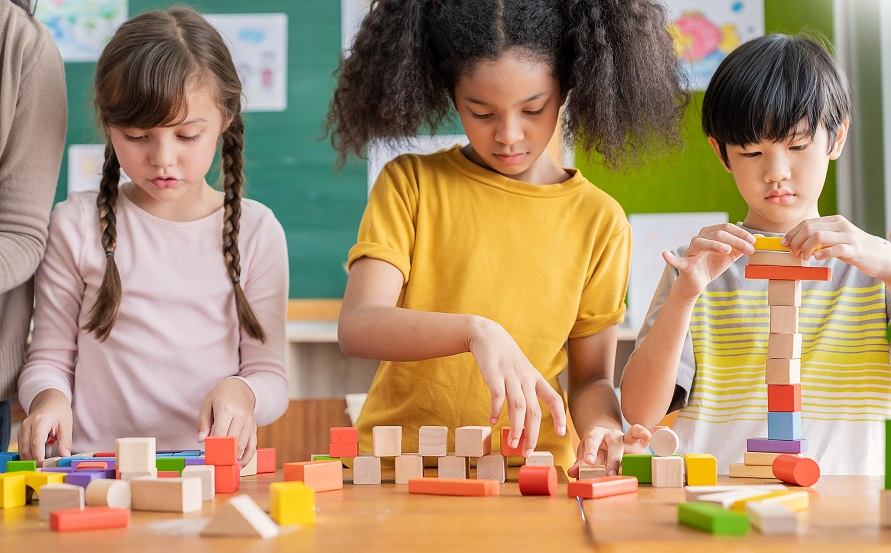
Building Emotional Intelligence in Young Learners Early
Young children learn more than letters and numbers during early education. They also begin to understand feelings, both their own and those of others. Emotional intelligence helps children express emotions in healthy ways and build stronger...
Read More ›
How Early Childhood Shapes Lifelong Learning Success
Early childhood is a period where young learners begin forming habits and abilities that influence how they approach learning in later years. The experiences children receive through play, interaction, and guided activities shape how they...
Read More ›
How Positive Reinforcement Shapes Child Behavior
Positive reinforcement plays a strong role in guiding how children learn and respond to the world around them. In early childhood settings, small acknowledgments such as praise, smiles, or simple rewards can influence how children repeat...
Read More ›
Encouraging Curiosity in Early Childhood Education
Early childhood is a time filled with wonder, where children naturally explore, question, and try to understand what they see around them. This stage sets the tone for how they approach learning later in life. When curiosity is welcomed,...
Read More ›
The Importance of Cultural Awareness in Classrooms
Classrooms bring together children from different backgrounds, languages, and traditions. Cultural awareness in early learning settings helps children notice and appreciate these differences in a healthy way. Teachers who introduce simple...
Read More ›